
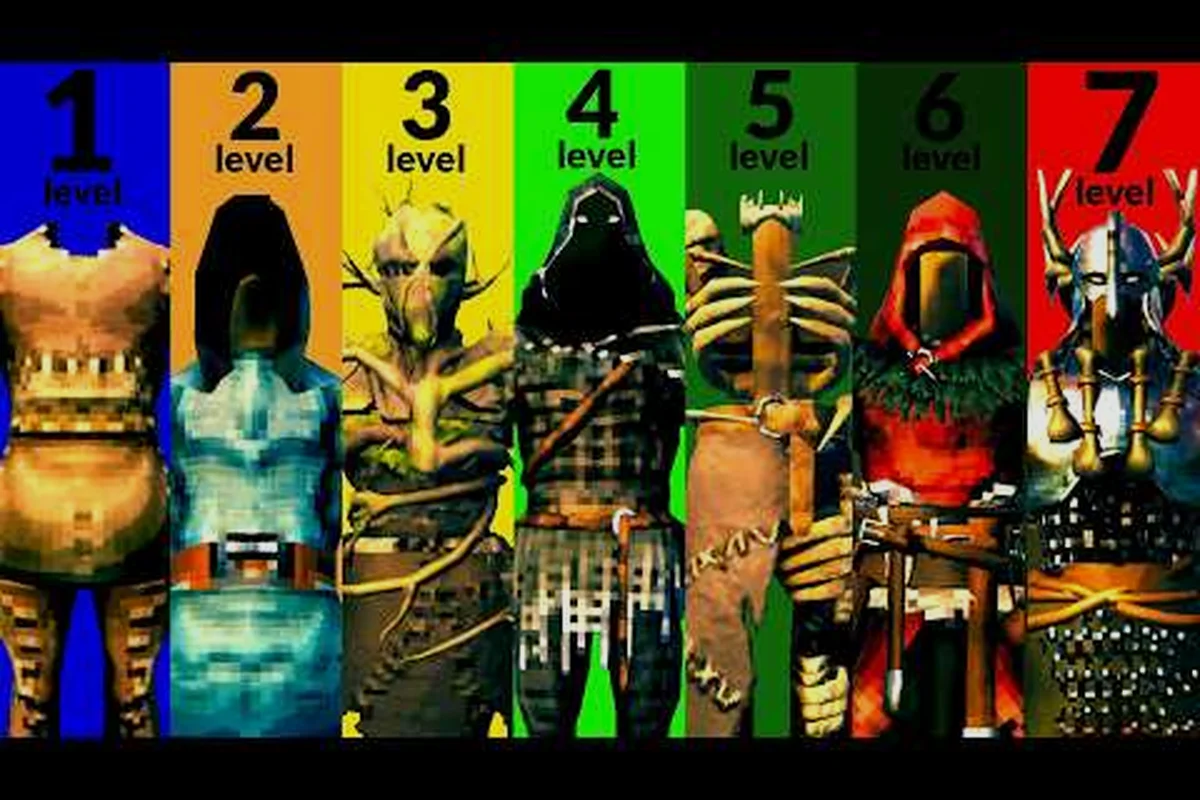
Choosing the best Valheim armor for each biome is the single biggest lever you have for survival, because every region introduces new damage types — pierce in the Swamp, frost in the Mountains, spirit in the Mistlands, and burning in the Ashlands. This Valheim armor tier list walks every set from the deer-hide starter gear through the endgame Flametal plate, breaks down the set bonuses that quietly define each build, and tells you which pieces are worth mixing when you outgrow them. Once your armor foundations are sorted, pair your defenses with the right firepower by consulting our Valheim best weapon tier list to ensure your chosen gear loadout actually lets you survive the Plains, Meadows, and everything Mistlands throws at you.
How Valheim Armor Progression Actually Works
Valheim armor is not a single ladder where later automatically means better. It is a biome-keyed progression where each region forces a damage-type check that earlier gear cannot pass. According to the official Valheim store page on Steam, the game is a 1–10 player survival experience inspired by Norse mythology, and gear progression tracks the boss kill order: each defeated Forsaken unlocks a new crafting tier and a new armor family that counters the next biome's threats.
Every armor family in Valheim has the same three-piece structure: helmet, chest piece, and legs. Equipping the full set unlocks a unique set bonus that defines the playstyle the designers intended — stealth for troll, pierce resistance for root, frost deflection for wolf, and so on. Mixing pieces forfeits the bonus, so the most common beginner mistake is treating the armor screen like a free-form inventory and losing the passive they actually crafted the set for.
Crafting Materials and the Tier-2 Workbench Rule
A non-obvious rule: every set below Root requires you to build a specific upgraded workbench before you can craft it, and the workbench itself must be inside a roofed structure with a nearby chest, a blaze source, and a floor. Bronze needs a Forge, iron needs a level-3 Forge with the Tool Shelf and Anvils, silver requires the Artisan Table, and so on. Skip the crafting-station upgrade and the armor recipe stays locked even if you have the mats in your inventory.
| Tier | Required Bench | Core Materials | First Unlockable Boss |
|---|---|---|---|
| Leather | Workbench | Deer hide, boar leather | Eikthyr (optional) |
| Troll | Workbench | Troll hide, bone fragments | Eikthyr (optional) |
| Bronze | Forge | Bronze, deer hide, tin | The Elder |
| Root | Forge | Root, ancient bark, leather | The Elder (after Bonemass) |
| Iron | Forge (level 3) | Iron, iron studs, leather | Bonemass |
| Wolf | Artisan Table | Wolf pelt, wolf trophy, silver | Moder |
| Padded | Artisan Table | Linen thread, iron, fine wood | Moder (after Yagluth) |
| Carapace | Black Forge | Carapace, black marble, magecap | Queen |
| Flametal | Black Forge (level 2) | Flametal metal, charcoal, surtling cores | Fader |
The Full Valheim Armor Tier List
This Valheim armor tier list ranks every wearable set in the order most players actually swap into them, weighted by biome necessity, raw defensive value, and set-bonus impact. The tier labels are a quick read; the tables and breakdowns below explain why each set sits where it does.
| Rank | Armor Set | Base Armor (Full Set) | Set Bonus | Primary Biome |
|---|---|---|---|---|
| S | Carapace | 78 | Building damage + spirit resistance | Mistlands |
| S | Flametal | 96 | Fire resistance, max HP + spirit | Ashlands |
| A | Padded | 56 | Physical resistance + max HP | Plains |
| A | Wolf | 60 | Frost resistance, no movement penalty | Mountains |
| B | Root | 44 | Pierce resistance + poison clear | Swamp |
| B | Iron | 60 | Movement penalty reduction | Mid-game general |
| C | Bronze | 36 | No bonus | Black Forest |
| C | Troll | 24 | Stealth + sneak bonus | Meadows |
| D | Leather | 20 | No bonus | Meadows starter |
S-tier is reserved for sets that let you walk into the relevant endgame biome without dying to its signature damage, while C-tier and below are transitional gear that you outgrow within a handful of boss kills. The B-tier sets are interesting because their niche bonuses (Root's pierce resist, Iron's movement speed) can outperform an A-tier set in specific encounters.
S-Tier: Carapace and Flametal
Carapace is the Mistlands answer to the spirit damage check, and it is the first set in the game that meaningfully competes with a tank's raw armor. The set bonus cuts incoming spirit damage while you are near your own structures, which turns base defense into a real progression because you stop dying to Seekers and Gjalls while building outposts. The chest piece and helmet both roll decent magic resistance, and the legs are light enough that a mage build can keep sprint stamina manageable.
Flametal sits at the very top of this Valheim armor tier list because it pairs the highest base armor of any set with a passive that directly counters the Ashlands' lava and burning damage. The set bonus also bumps max HP, which is the single best defensive stat in the game because it lets you survive a single mistake that would otherwise end a run. The trade-off is brutal: crafting requires Flametal ore smelted in a charcoal furnace, and the Black Forge must be upgraded twice to even see the recipe.
A-Tier: Padded and Wolf
Padded armor is the gatekeeper for the Plains biome and the best mid-game option for players who refuse to turtle. The linen-thread cost is steep — you need to cultivate flax and process it through a spinning wheel and a loom — but the resulting chest piece rolls the highest base physical armor of any Plains-tier gear, and the set bonus adds a flat max-HP bump that synergizes with strength foods. Many players wear Padded into the Mistlands before swapping to Carapace because the physical reduction still helps against Gjalls and Trolls.
Wolf armor is the Mountains' answer to frost, and the set bonus is the part most guides underrate. Equipping the full set removes the slow stacking from being cold, which means you can stand in a blizzard indefinitely without reaching for a Frost Resistance mead every 30 seconds. The chest piece has the second-highest base armor in the pre-Mistlands game, and the set is light enough that a bow build can keep drawing stamina available while kiting Drakes and Stone Golems.
B-Tier: Root and Iron
Root armor is the armor most Swamp players wear while grinding Bonemass, and the pierce-resistance set bonus is the only reason to craft it over plain Iron. The set bonus grants a 50% reduction to incoming pierce damage plus a small chance to cleanse poison, which is a hard counter to the Leeches and Draugr Elites that make the Swamp miserable. The base armor is middling at 44 across the full set, so you still need to manage positioning, but you stop getting one-shot by the ranged skeletons that camp around Sunken Crypts.
Iron armor is the most over-equipped mid-game set in the game, and the Iron Armor Tier List position in community guides consistently reflects that it is good but not the right answer to a specific biome. The set bonus reduces the movement-speed penalty that heavy armor normally applies, which is great for general exploration, but it does nothing against the Swamp's pierce, the Mountains' frost, or the Plains' spirit damage. The chest piece in particular is heavy enough that a stamina-hungry build will feel the drag.
C-Tier: Bronze and Troll
Bronze armor is the first metal tier in the game and the right answer to the Black Forest's Trolls and Greydwarfs, but the absence of a set bonus means you are better off mixing pieces with a stronger secondary set as soon as one unlocks. Many players keep the Bronze chest for the armor value and swap the helmet and legs to Leather or early Troll for the stealth bonus. The Forge requirement alone (15 wood, 10 coal, 6 copper, 4 tin, 4 deer trophies) means you will not see Bronze before your first real exploration push, and by the time you have the materials, the Swamp is already on the horizon.
Troll armor is the Meadows stealth set, and the set bonus turns you invisible to most enemies while crouched and unmoving, which makes it the best farming armor in the early game. The base armor of 24 is the lowest of any set on this list, but that is the point: Troll is built for sneaking past Trolls, hunting deer at night, and pulling the first Eikthyr without aggroing the local Greydwarf pack. If you can stomach the 14-troll-hide grind, the armor pays for itself in saved repair costs.
D-Tier: Leather
Valheim leather armor is the starter set you craft within your first 10 minutes, and it is also the set most players forget exists once Bronze unlocks. The base armor of 20 across the three pieces is genuinely low, and the set has no bonus, so there is no situation in the mid-game or late-game where Leather is the right call. That said, the chest piece and legs are useful as swap-ins for stealth or scout builds because the armor value stacks with movement speed in a way that bronze does not. Keep one full set in a chest for resource runs where you do not want to risk your Iron.
How the Armor Set Bonuses Stack Up
Set bonuses are the silent driver of this Valheim armor tier list, because the right bonus can outperform a higher base armor value in the encounter it is designed for. The table below stacks every full-set bonus currently in the game so you can see at a glance which set is the answer to which problem.
| Armor Set | Set Bonus Effect | Best Used For |
|---|---|---|
| Troll | Stealth while sneaking, monsters ignore you | Meadows farming, deer hunting |
| Root | 50% pierce resist, chance to cure poison | Swamp, Sunken Crypts |
| Iron | Reduces heavy-armor movement penalty | General mid-game travel |
| Wolf | Immune to slow when cold | Mountain, Moder's arena |
| Padded | +10% physical damage reduction, +10 max HP | Plains combat, Deathsquito kite |
| Carapace | Spirit damage blocked near own structures | Mistlands base defense |
| Flametal | +50 max HP, fire + spirit resistance | Ashlands, Fader's arena |
Two set bonuses deserve a deeper callout because they are the most commonly misunderstood. Padded's flat 10% reduction applies on top of the armor roll, which is why it remains relevant even in fights where the base armor is no longer the highest available. Carapace's "near your own structures" clause means the bonus drops if you are caught out in the open, so the set rewards a defensive base-camp playstyle more than an aggressive Mistlands sweep.
When to Mix Sets and When to Commit
The best players in any Valheim armor tier list discussion are not the ones who wear the recommended set for every biome — they are the ones who know when to break the set for a specific encounter. The general rule is to commit to a full set when you are grinding that biome's primary content (Swamp runs, Mountain climbs) and mix pieces when you are about to take a specific kind of damage that one bonus would solve.
| Encounter | Recommended Setup | Why |
|---|---|---|
| Bonemass fight | Full Root, +10 health mead | Pierce resist ignores Bonemass's blob AoE |
| Moder fight | Full Wolf | Frost immunity lets you focus on dodge timing |
| Yagluth fight | Full Padded | Highest physical reduction in the Plains era |
| Fader fight | Full Flametal | HP pool + fire resist = mistake budget |
| Mistlands exploration | Full Carapace | Spirit damage is unavoidable off the path |
| Plains farming | Padded chest + Wolf legs + Carapace helmet | Hybrid for Deathsquito and Fuling mix |
The last row is a good example of how to read this Valheim armor tier list as a guide rather than a rule. If you are running long Plains sessions against a mixed Fuling and Deathsquito pack, the optimal armor is rarely a single set because no set on the tier list covers both the physical burst of the Fuling and the ranged precision of the Deathsquito. Mixing one piece from a higher tier for its armor value and keeping the rest of the bonus-defining set is the most common pattern at endgame.
Choosing the Best Valheim Armor for Your Playstyle
The biome-first ordering in this Valheim armor tier list is the right default, but the wrong answer if you have already picked a playstyle. Strength-based players want the armor with the highest base value per slot because they are eating HP and stamina meads; mage and bow players want the lightest set that still passes the biome's damage check; and stealth builds want to delay every metal tier as long as possible. If you are committed to a specific style, swap the tier ordering to match.
| Playstyle | Priority Stat | Best Set | Reason |
|---|---|---|---|
| Pure tank | Max HP + armor | Flametal | Highest base armor + HP bonus |
| Two-handed melee | Movement speed | Wolf | Stamina management in heavy fights |
| Mage | Spirit resist | Carapace | Best magic damage mitigation |
| Bow kiter | Light armor + sprint | Padded legs + Carapace helm | Stamina over raw armor |
| Stealth farmer | Sneak bonus | Troll | Undetectable while crouched |
| Early-game scout | Mobility | Leather | Lightest set in the game |
Best Valheim armor for a new player is almost always the full set that matches the next biome, regardless of which playstyle they intend to specialize in later. The damage check in each biome is hard enough that an under-armored character will spend more time running back to their grave than actually playing, and the death tax (skull markers plus inventory drop) erases any efficiency gain from a lighter loadout. Pick the set that lets you survive, then specialize once you have a full crafting bench and a stockpile of the next tier's mats.
Frequently Asked Questions
What is the best Valheim armor for a brand new player?
Stick with Troll armor until you have a Forge and Bronze materials, then swap to full Bronze before you push into the Black Forest. The Troll set bonus lets you sneak past Greydwarfs and farm deer at night, which is the most efficient way to stock up on early materials. Once you have killed The Elder, start planning your Bonemass push so you can move straight to Root armor for the Swamp.
Is Carapace or Flametal actually better at endgame?
Neither is strictly better — they answer different endgame threats. Carapace is the answer to Mistlands spirit damage and the only viable set for prolonged Mistlands exploration, while Flametal is the answer to Ashlands fire and burning damage plus the highest raw armor in the game. Most endgame players keep a full Carapace set for Mistlands runs and a full Flametal set for Ashlands pushes, swapping based on the biome they are currently grinding.
Should I mix armor pieces or always run a full set?
Always run a full set during the relevant biome grind to keep the set bonus, and only mix pieces when you are taking a specific damage type that one bonus would solve. The most common valid mix is keeping your current chest piece and legs for the bonus while swapping the helmet to a higher-armor piece from the next tier. A Padded chest with Carapace legs, for example, gives you the Padded HP bonus plus the better Mistlands spirit resistance on the legs.
How do I unlock the artisan table and black forge?
The Artisan Table unlocks after you defeat Moder and bring her trophy to a workbench, while the Black Forge unlocks after you defeat The Queen and bring her trophy to a workbench. Both require a roofed structure with a chest, a blaze source, and a floor. The Artisan Table gates Wolf and Padded, and the Black Forge gates Carapace and Flametal, so these are the two crafting stations that define your endgame armor progression.
Is iron armor still worth crafting in 2026?
Yes, but only as a transitional set. Iron is the answer to Bonemass prep and the best general-purpose mid-game set, but the absence of a biome-specific bonus means you will outgrow it as soon as Root unlocks. The smartest play is to craft one full Iron set for the Bonemass fight, then salvage or store the pieces once you have Root unlocked. Do not skip it entirely — the iron grind is a useful warm-up for the harder smelting jobs later.